The Future of Live Sports Broadcasting: Why Traditional Cable is Dying
The Shift Away from Satellite and Cable
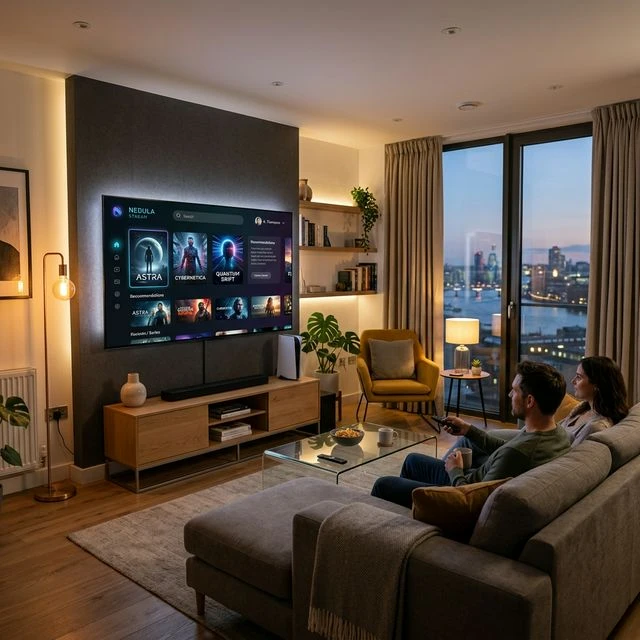
For decades, live sports were the final stronghold keeping traditional cable and satellite TV alive. But the landscape is shifting rapidly. In 2026, digital streaming has not only caught up to traditional broadcasting—it has surpassed it in almost every metric.
Superior Technology and Infrastructure
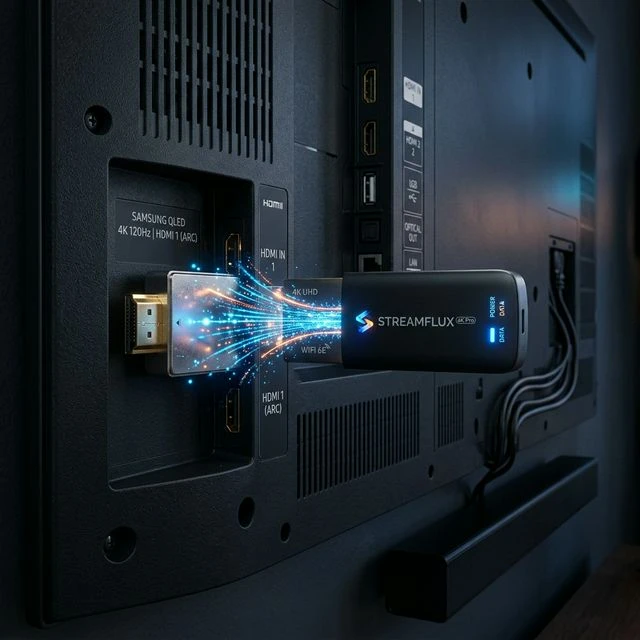
Traditional broadcasting relies on aging satellite infrastructure that is susceptible to weather interference and offers limited bandwidth. Modern digital streaming utilizes global Content Delivery Networks (CDNs) and adaptive bitrate technology to deliver pristine 4K streams directly to your home, rain or shine.
Unprecedented Access and Choice
Cable packages force you to pay for hundreds of channels you never watch just to get the few sports networks you care about. Digital streaming platforms aggregate content globally, giving you access to every match, every league, and every PPV event without geographic restrictions or blackout rules.
The Economics of Streaming
The cost of maintaining traditional broadcast infrastructure is massive, and those costs are passed down to the consumer. Streaming providers operate with significantly lower overhead, allowing them to offer more content at a fraction of the price. If you're ready to make the switch, read our Ultimate Guide to Cord Cutting in 2026 to see how much you could save.
Conclusion
The death of traditional cable isn't a prediction; it's a reality that is unfolding right now. As streaming technology continues to evolve, the viewing experience will only get better, cheaper, and more accessible for sports fans worldwide.
Ready to Upgrade Your Setup?
Join thousands of UK viewers enjoying premium, buffer-free live TV.